

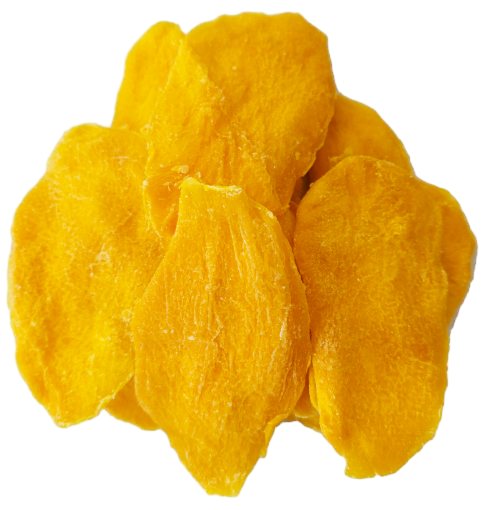
Dried fruits, as a popular leisure and health food among the people, occupy an important market share in the leisure food market due to their advantages of low sugar freshness, storage resistance, and easy portability. High quality dried fruits are not simply sun dried, but rely on standardized and refined production processes to preserve the nutrition, flavor, and color of the fruits to the greatest extent possible. Modern dried fruit production strictly follows food production standards, with eight core processes from raw material selection to finished product packaging. Each step directly determines product quality, achieving a perfect transformation from fresh fruit to high-quality dried fruit.
Raw material selection is the first hurdle in dried fruit production and the foundation of quality. Priority should be given to selecting fresh fruits with moderate maturity, high dry matter content, rich flavor, no damage or mold, and no pests and diseases during production. Raw materials that are green, overripe, or damaged by bumps should be avoided. According to the requirements of dried fruit categories, select fruits with thick flesh, low crude fiber, and soluble solids that meet the standards, in order to avoid quality problems such as sourness, softness, and dull color from the source. After harvesting, fresh fruits should be stored and processed in a timely manner to avoid prolonged storage that may cause fermentation, deterioration, and uneven water loss, laying a solid foundation for subsequent processing.
The preprocessing stage is the key to optimizing the taste and appearance of dried fruits, including subdivision processes such as grading, cleaning, trimming, cutting and removing nuclei, and color protection. Firstly, by combining manual sorting with mechanical grading, fruits are accurately classified according to their size, color, and maturity to ensure uniform specifications for products in the same batch. The cleaning adopts the mainstream bubble spray cleaning technology in the industry, using high-pressure water flow and the impact force of fine bubbles to gently remove dust, impurities, and residual agricultural residues on the surface of the fruit peel, avoiding soaking and damaging the fruit pulp throughout the process. Subsequently, peel, core, and cut the fruits according to their category, and standardize the thickness and shape of the slices to ensure uniform drying. For fruits such as apples and bananas that are prone to oxidation and browning, physical and biological color protection processes such as blanching and soaking in ascorbic acid are used to effectively inhibit enzymatic browning, lock in the natural color of the fruit, replace traditional high sulfur color protection methods, and improve product health.
Dehydration and drying are the core processes in the production of dried fruits, and currently there are two mainstream modes: natural drying and artificial intelligence drying. Traditional natural drying relies on natural light ventilation and drying, with low cost and simple process. However, it is greatly affected by weather and environment, resulting in uneven drying and easy contamination of impurities. It is only suitable for small-scale workshop processing. Modern large-scale production adopts manual temperature control dehydration technology, which precisely regulates temperature, humidity, and wind speed through intelligent drying equipment. Customized drying parameters are set according to the fruit category to gradually remove free moisture from the flesh. Low temperature slow drying technology can maximize the retention of nutrients such as vitamins and dietary fiber in fruits, avoiding problems such as burnt flesh, nutrient loss, and dry and hard taste caused by high temperature and high temperature.
After drying, it is necessary to perform uniform wetting and softening treatment, which is a key detail to improve the taste of dried fruits. There are slight differences in the moisture content inside and outside the freshly dried fruit, resulting in a harder texture and uneven dryness and wetness. Place the dried fruit in a sealed workshop with constant temperature and humidity for static storage, allowing the internal moisture of the fruit pulp to fully diffuse and balance, resulting in uniform dryness and wetness, a flexible and chewy texture, and avoiding problems such as local cracking and moisture.
Finally, the finished product production is completed through four major finishing processes: secondary selection, sterilization, packaging, and warehousing. Through multiple screenings using color sorting machines, vibrating screens, and manual re inspection, defective products with focal spots, defects, and abnormal colors are eliminated, and the product defect rate is strictly controlled. Subsequently, non high temperature sterilization techniques such as low-temperature sterilization and microwave sterilization were used to kill microorganisms and extend the shelf life without compromising the taste and nutrition. Fully sterile automated packaging, sealed and isolated from air and moisture, to prevent moisture and mold. Finished product storage follows the standards of constant temperature drying, avoiding light and ventilation, ensuring that dried fruits are stored for a long time without deterioration, moisture regain, or flavor mixing.