

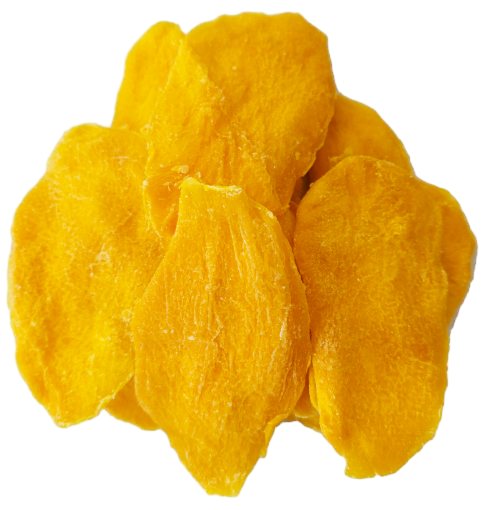
With the upgrading of consumer health awareness, the food safety, quality, taste, and nutritional retention of dried fruit products have become the core concerns of the market. The production process of dried fruits is complicated, involving multiple links such as raw material processing, color protection, drying, sterilization, packaging, etc. Any control negligence in any link may lead to quality problems such as mold growth, oxidation, excessive microorganisms, excessive additives, and poor taste of dried fruits. Modern dried fruit enterprises strictly follow GMP good production standards and HACCP food safety system, establish a full process quality and safety control system, and comprehensively control product quality.
Raw material source control is the first line of defense for food safety. Enterprises establish strict standards for raw material procurement and acceptance, prioritize the selection of fresh fruits from compliant planting bases, strictly test the indicators of pesticide residues, heavy metals, pests and diseases in raw materials, and prevent unqualified raw materials from entering the factory. After the raw materials enter the factory, they are quickly sorted and graded to remove rotten, spoiled, and damaged fruits. At the same time, the storage environment of the raw materials is strictly controlled, and low-temperature preservation storage is adopted to avoid the heat and fermentation deterioration of fresh fruit stacking and reduce quality risks from the source.
The pre-treatment process focuses on controlling color protection and cleanliness. Traditional dried fruit production often uses sulfur fumigation for color protection, which can easily lead to excessive sulfur dioxide residue and pose a threat to human health. Modern production abandons high sulfur processes and adopts green technologies such as blanching, low-temperature color protection, and biological color protection to effectively prevent flesh browning while ensuring that the residual amount of food additives meets national food safety standards. At the same time, the production environment hygiene is strictly controlled throughout the process. Processing equipment and workstations are regularly cleaned and disinfected, and operators wear sterile work clothes, gloves, and masks to avoid secondary pollution caused by manual contact. The cleaning process strictly uses clean water sources, eliminates soaking and cleaning, and reduces the risk of fruit pulp absorbing water and deteriorating, as well as microbial growth.
Drying and dryness control are the core quality control points. The moisture content of dried fruits is a key indicator that determines their shelf life and taste. If the moisture content is too high, it is easy to regain moisture and mold, while if the moisture content is too low, the taste will become dry and hard, and nutrients will be lost. During the production process, the moisture content of dried fruits is monitored in real time through intelligent devices. Based on the national standards for different types of dried fruits, the drying parameters are accurately controlled to maintain the moisture content within the standard range. At the same time, strictly control the drying temperature to avoid local high temperatures causing pulp burning and harmful substances, and eliminate quality differences between batches.
Sterilization and anti-corrosion control to eliminate food safety hazards. Modern dried fruit production abandons the traditional high-temperature sterilization mode and adopts microwave sterilization, ultraviolet sterilization, low-temperature pasteurization isothermal and sterilization technologies. While killing harmful microorganisms such as bacteria, mold, yeast, etc., it maximizes the preservation of the flavor and nutrition of dried fruits. Strictly regulate the use of food additives. Low sugar, non additive dried fruit products do not add preservatives, pigments, essence throughout the process. Conventional products use compliant additives in strict accordance with the national standard limit, and eliminate excessive use and illegal addition.
Finished product testing and warehouse control hold the last line of defense. Before leaving the factory, the finished product needs to undergo multiple tests, including sensory quality, moisture content, microbial indicators, additive residues, heavy metal content, etc. All indicators must be met before packaging and listing. The packaging is made of food grade sterile sealing material, which isolates air, water vapor, and light to prevent dried fruits from oxidation, moisture regain, and flavor mixing. The finished product storage workshop should maintain a constant temperature, dryness, ventilation, and avoid light. It should be stored in different areas and classified. Regular inspections should be conducted to check for moldy and spoiled products. At the same time, product traceability records should be kept to ensure the traceability of the entire production process and fully guarantee the safety of consumers’ consumption.